Commercial coatings are more than a simple business improvement project; they can transform any area. Painting can make any space more inviting and appealing, whether you’re a business owner in Auckland. The aesthetic appeal of a flawless finish is enhanced by your attention to details and commitment to high quality. Here are some best practices for a polished and professional paint job.
1. Prepare Commercial Coatings for Application.
A thorough paint preparation is the foundation for a flawless commercial painting job. This is a mistake many people make that can result in subpar results.
Surface Cleaning and Repair.
Be sure that you have thoroughly cleaned all surfaces and are free of grease, dirt and mildew before opening a commercial paint can. Scrub the walls with a mild detergent and water mixture, then let them completely dry. A power wash is highly recommended for exterior surfaces.
Check the surface for imperfections, such as holes, cracks or peeling paint. After the spackle has dried, sand down the area to make it smooth. It is best to consult an expert for larger cracks and damaged areas.
Using Primer for Commercial Painting Projects.
Primer is necessary for a smooth, even finish. Primer helps paint adhere to the surface better and can conceal stains and dark colours. Select a primer for the surface you will be painting and the type paint that you intend to use. Use a stain blocking primer on walls that have water damage or nicotine stains.
2. Selecting the Right Paints and Tools.
It is important to choose the right tools and paint for your commercial space if you want it to look professional.
Commercial Coatings.
When choosing paint, consider the type of area or room you will be painting. Choose a washable, durable paint in a high sheen for areas with heavy traffic, such as employee kitchens and commercial kitchens. Eggshell or matte finishes can be used in more relaxed areas like conference rooms or offices.
Consider the mood you wish to convey when choosing colors. Darker shades can add warmth and comfort to a space. Light colors make it feel bigger and more spacious. UV-resistant coatings for commercial buildings can maintain exterior color vibrancy in Auckland sunny climate.
Commercial Painting Tools.
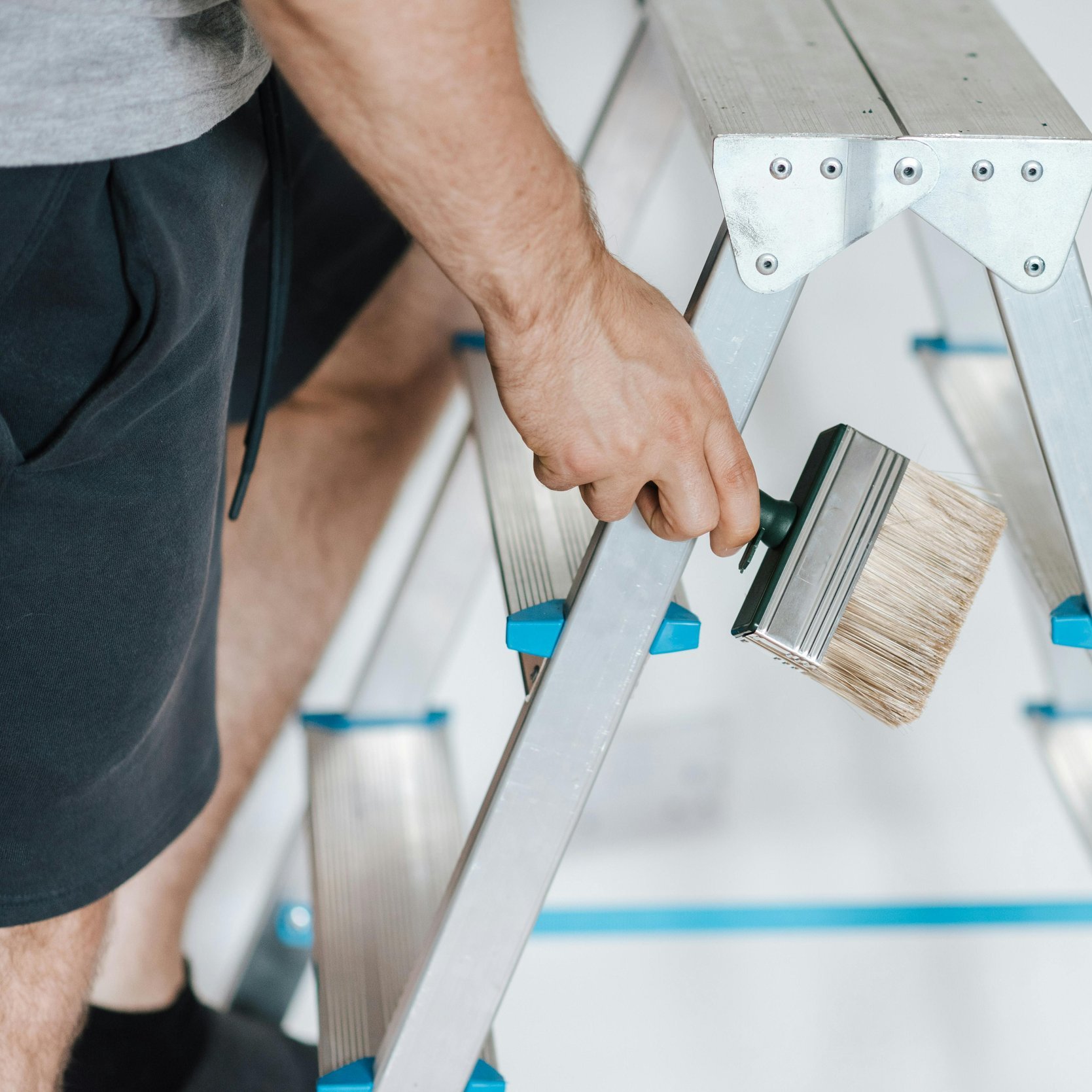
Investing in quality brushes and rollers will pay off. Quality rollers will ensure that the paint is evenly applied and are free of lint. A good brush holds more paint, allowing it to be applied smoothly. Before you use a sprayer on larger surfaces, contact a commercial painter.
3. Mastering Painting Techniques.
Your technique, not your tools or preparation, will determine the final quality of your finish.
Cutting in.
The term “cutting in” refers to painting around the trim and the walls’ edges before rolling on larger areas. This task is best done with a quality angled brush. Be patient to get clean, straight lines. Patience and a steady hand are essential. This is not something you can do in 30 minutes. It is best to plan an entire day for this task to avoid being rushed.
Rolling.
Start by rolling in a W- or M-pattern to evenly distribute the paint, and then fill the gaps using vertical strokes. Do not overload the roller as this will cause drips or uneven coverage. To prevent streaks and lap marks, work in small sections.
Multiple Coats is Best.
For most commercial coatings, at least two coats are required to achieve a full color and coverage. As recommended by the manufacturer, allow sufficient time for drying between coats.
4. The Finishing Touches for Your Commercial Painting Project.
Once the final coat is dry, you can add the finishing touches to make your commercial painting job shine.
Touch-Ups.
Check the painted surfaces to see if there are any imperfections or missed spots. For touch-ups use a small paintbrush, and blend the edges with the surrounding color.
Do not Forget the Cleaning Process.
It is important to clean your tools properly in order to maintain a tidy workspace and preserve them. Brushes and rollers should be cleaned thoroughly using soap and water, or the solvent of your choice for oil-based paints. Seal cans tightly with tape to avoid drying. Properly Dispose of any commercial coatings that are left in pans.
5. Commercial Painters – Professional Assistance.
Even though DIY painting can be rewarding for your business, there are some times when hiring a pro is the right choice. Experienced commercial painters South Auckland can provide the expertise and efficiency needed for complex projects, large spaces, or intricate designs. The professionals have the experience and skills to provide a perfect finish while causing minimal disruption to business operations.
Commercial Painting can Enhance your Commercial Space.
Painting is an important skill for business owners in Auckland. It can improve the functionality and appeal of the space. Follow these best practices to achieve a flawless, professional finish. This will reflect the care and quality you have put into your business. The results are worth the effort, whether you do the job yourself or hire an.