Maintaining your pump is crucial for its longevity, efficiency, and reliable operation. Whether it’s a submersible pump in your well, a centrifugal pump for your irrigation system, or a smaller pump for a fountain, regular servicing can prevent costly repairs and ensure optimal performance.
Safety First: Preparation and Precautions
Before you even think about touching your pump, safety must be your top priority. Mishandling electrical components or moving parts can lead to serious injury.
- Disconnect Power: This is the most critical step. Locate the circuit breaker or disconnect switch for the pump and turn it off. For added safety, you can also lock out the disconnect to prevent accidental reactivation. If the pump is plugged into an outlet, unplug it carefully, ensuring your hands are dry.
- Allow to Cool: If the pump has been running recently, give it ample time to cool down. Some pumps can get quite hot during operation, and touching them immediately can cause burns.
- Depressurize the System: If your pump is part of a pressurized system (like a well pump or irrigation pump), you need to relieve the pressure before attempting any disassembly. This might involve opening a valve downstream or following specific instructions in your pump’s manual.
- Gather Your Tools and Materials: Having everything you need beforehand will make the servicing process smoother and safer. Common tools include:
- Wrenches (various sizes, including adjustable and pipe wrenches)
- Screwdrivers (Phillips and flathead)
- Pliers
- Wire brush
- Clean rags or towels
- Multimeter (for electrical checks)
- Lubricants (as recommended by the manufacturer)
- Replacement seals, O-rings, or gaskets (if you anticipate needing them)
- Safety glasses
- Gloves
- Refer to the Manufacturer’s Manual: Your pump’s manual is your most valuable resource. It contains specific instructions, diagrams, and warnings related to your particular model. Always consult it before attempting any service.
External Inspection and Cleaning
Start with a thorough visual inspection of the pump and its surroundings.
- Check for Leaks: Look for any signs of water leaks around the pump housing, seals, or connections. Note the location and severity of any leaks, as they might indicate a failing seal or loose fitting.
- Inspect the Housing: Examine the pump housing for cracks, dents, or corrosion. Any damage to the housing can compromise the pump’s integrity and safety.
- Examine Pipes and Fittings: Check the inlet and outlet pipes and their connections to the pump. Ensure they are secure, free from leaks, and not showing signs of corrosion or damage.
- Inspect Wiring and Connections: Carefully inspect the electrical wiring leading to the pump for any signs of damage, such as frayed insulation or loose connections. Check the terminals at the pump and the power source for corrosion. If you’re comfortable and knowledgeable, use a multimeter to check for continuity and proper voltage (after ensuring the power is OFF). If you have any doubts about the electrical system, it’s best to call a qualified electrician.
- Clean the Exterior: Use a clean rag or brush to remove any accumulated dust, dirt, or debris from the pump’s exterior. Pay attention to cooling fins or ventilation openings, as obstructions can lead to overheating. For submersible pumps, ensure the intake screen is clear of debris.
Internal Inspection and Maintenance (General Steps)
Accessing the internal components will vary significantly depending on the pump type. Consult your manual for specific disassembly instructions. The following are general steps that might apply:
- Draining the Pump: If necessary, drain any remaining fluid from the pump according to the manufacturer’s instructions. This is often required for submersible pumps or pumps containing liquids.
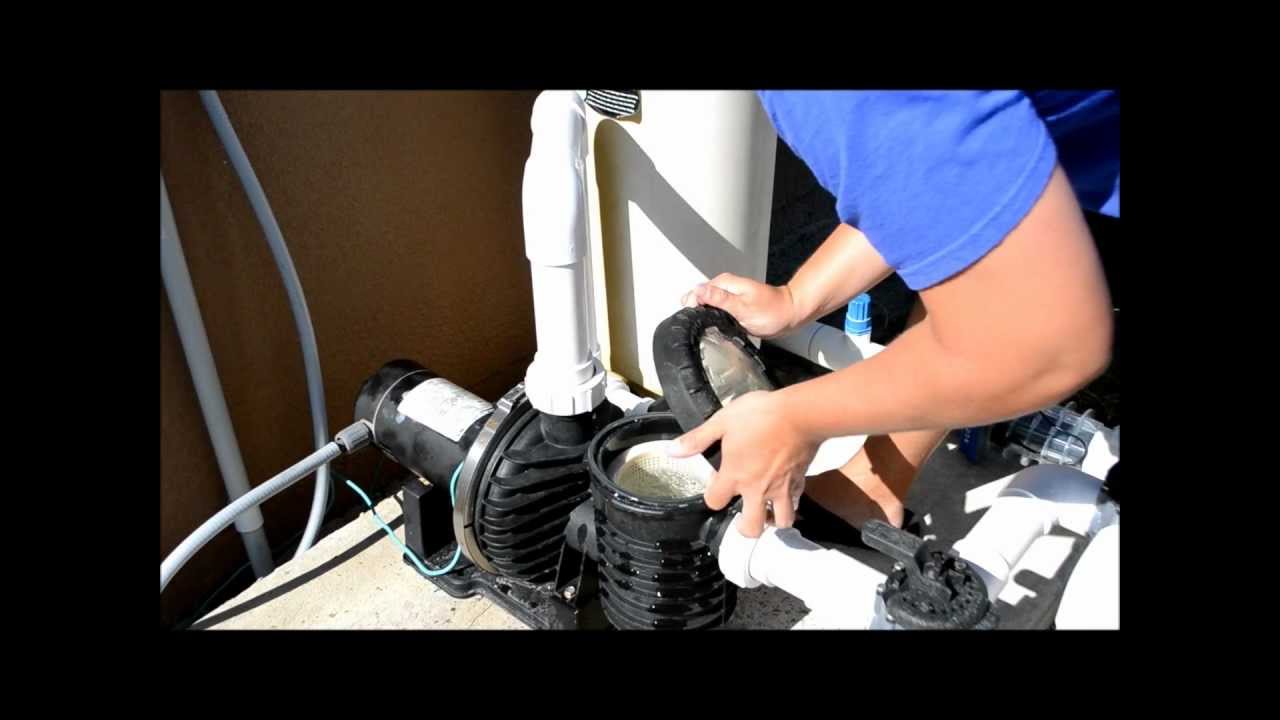
- Disassembly: Carefully disassemble the pump, keeping track of all parts and their orientation. It’s helpful to take pictures as you go to aid in reassembly. Place the disassembled parts on a clean surface.
- Inspect the Impeller: The impeller is the rotating component that moves the fluid. Check it for cracks, chips, wear, or obstructions. Ensure it rotates freely (if accessible). Remove any debris that might be lodged in the impeller.
- Inspect Seals and O-rings: Seals and O-rings prevent leaks. Examine them for any signs of wear, cracking, or damage. If they appear worn or compromised, replace them with new ones of the correct type and size. Lubricate new seals with a lubricant recommended by the manufacturer before installation.
- Inspect the Pump Shaft and Bearings: Check the pump shaft for any signs of bending, corrosion, or excessive wear. If the bearings are accessible, check for smooth rotation and any unusual noise or play. Bearing replacement often requires specialized tools and might be best left to a professional.
- Clean Internal Components: Clean all accessible internal components with a brush and a mild cleaning solution if necessary. Remove any mineral deposits or buildup. Rinse thoroughly and allow to dry before reassembly.
- Lubrication: Lubricate any parts as specified in the manufacturer’s manual. This might include bearings or seals. Use the recommended type of lubricant.
Specific Considerations for Different Pump Types
While the general principles apply, different types of pumps have specific servicing needs:
- Submersible Pumps (Well Pumps, Sump Pumps):
- Pay close attention to the intake screen and ensure it’s free of debris.
- Check the power cord for any damage, especially near the point where it enters the pump.
- Inspect the check valve (if present) for proper operation.
- For well pumps, consider having a professional inspect the well casing and water quality periodically.
- Sump pumps should be tested regularly to ensure they activate and pump water effectively.
- Centrifugal Pumps (Irrigation Pumps, Booster Pumps):
- Priming is often required after servicing. Follow the manufacturer’s instructions carefully.
- Check for cavitation (noise and vibration caused by vapor bubbles) during operation, which can indicate problems with suction or flow.
- Inspect the mechanical seal, a common source of leaks in centrifugal pumps.
- Diaphragm Pumps:
- The diaphragm is a critical component and should be inspected for cracks or wear.
- Check the valves for proper sealing.
- Gear Pumps:
-
- These pumps have tight tolerances, so ensure no debris enters the pump during servicing.
- Check for wear on the gears and seals.
Reassembly and Testing
- Reassemble Carefully: Reassemble the pump in the reverse order of disassembly, referring to your notes and any diagrams you made. Ensure all parts are correctly aligned and securely fastened. Tighten fasteners to the manufacturer’s specifications.
- Refill Fluids (if applicable): If you drained any fluids, refill them according to the manufacturer’s instructions.
- Reconnect Power: Once the pump is fully reassembled and all safety precautions are in place, carefully reconnect the power supply.
- Initial Testing: Observe the pump for any unusual noises, vibrations, or leaks when it starts. Run it for a short period and monitor its performance.
- Performance Testing: If possible, perform tests to ensure the pump is operating within its expected parameters (flow rate, pressure, etc.). Refer to your manual for performance specifications.
Regular Maintenance Schedule
Preventative maintenance is key to extending the life of your pump and avoiding unexpected failures. Establish a regular maintenance schedule based on the manufacturer’s recommendations and the frequency of use. This might include:
- Monthly: Visual inspection for leaks and debris buildup. Cleaning intake screens (if applicable).
- Annually: More thorough inspection of internal components, lubrication, and performance testing. Consider professional heat pump servicing in Christchurch for complex pumps.
- As Needed: Addressing any issues identified during inspections promptly. Replacing worn seals or other components.
When to Call a Professional
While many basic servicing tasks can be performed by a homeowner, certain situations warrant calling a qualified pump technician:
- Complex Repairs: If you encounter issues beyond basic cleaning and inspection, or if the disassembly and reassembly seem complicated.
- Electrical Problems: If you suspect electrical issues, it’s always best to consult a licensed electrician.
- Well Pump Issues: Servicing deep well pumps often requires specialized equipment and knowledge.
- Unusual Noises or Performance Issues: If your pump is making strange noises or not performing as expected after basic servicing.
- Lack of Experience: If you are uncomfortable or unfamiliar with pump mechanics, don’t hesitate to seek professional help.
By following these above guidelines and prioritizing safety, you can effectively service your pump, ensuring its reliable operation and prolonging its lifespan. Remember that your pump’s manual is your primary guide, and when in doubt, seeking professional assistance is always the wisest course of action.