Painting your house can be one of the most effective ways to refresh and transform your living space, whether it’s the exterior or interior. However, before diving into a painting project, several important considerations must be addressed to ensure success. From selecting the right colours to preparing surfaces, the process requires more than just a brush and a bucket of paint. Here are the top seven things to consider before painting your house.
1. Assessing the Surface Condition.
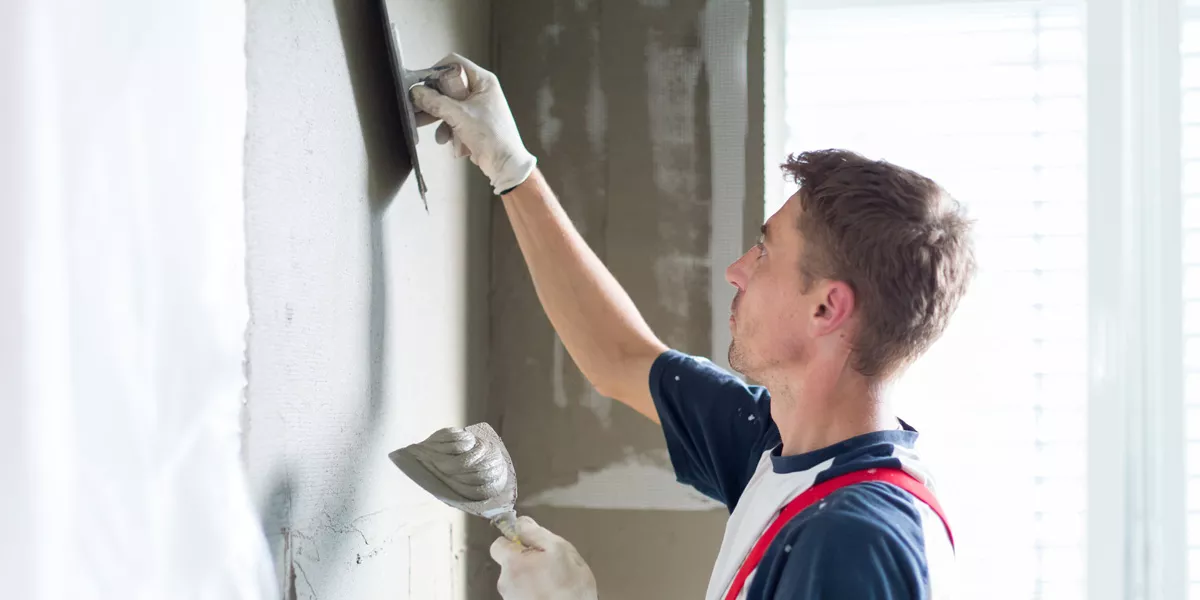
One of the first steps before painting is examining the current condition of your walls. Cracks, peeling paint, mould, or water damage need to be addressed before any new paint is applied. Painting over damaged surfaces will only mask the problem temporarily and lead to premature deterioration of the new paint job. If it’s an exterior project, look out for rotten wood, chipped siding, or rust on metal surfaces. Interior walls may have nail holes, dents, or stains. Ensuring the surface is clean, smooth, and structurally sound is crucial for a long-lasting finish.
2. Choosing the Right Paint Type and Finish.
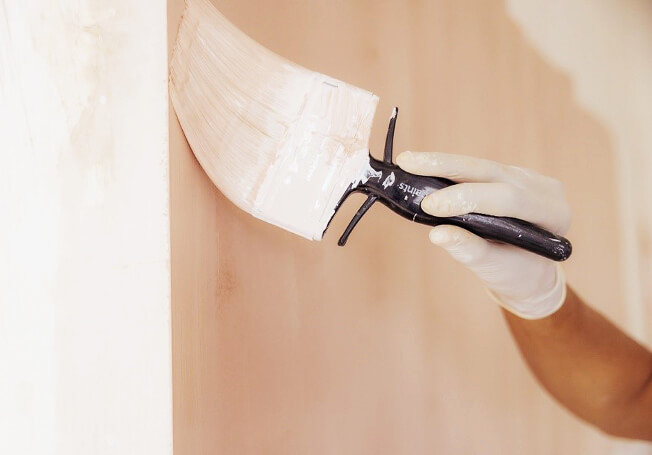
Not all paints are created equal. There are various paint types latex, acrylic, oil-based and each serves a different purpose. Latex paints are popular for their quick drying times and ease of cleaning, making them ideal for interiors. Oil-based paints, while more durable, require longer drying times and are harder to clean up. You also need to consider the finish. Glossy paints are highly durable and easy to clean but may highlight wall imperfections. Matte and eggshell finishes are better at hiding flaws but may not be as washable. Choosing the appropriate type and finish will enhance both appearance and functionality.
3. Colour Selection and Lighting.
Picking a colour is more than just choosing what looks nice in a swatch book. Colours behave differently under various lighting conditions. Natural sunlight, artificial lighting, and shadows can all affect how a colour appears on the wall. It’s advisable to test paint samples on a small area of the wall and observe how it looks throughout the day. Additionally, consider the mood and purpose of each room. Soft, neutral tones may be ideal for bedrooms, while bolder shades can be used to create focal points in living or dining areas. For exteriors, neighbourhood trends, climate, and architectural style also influence colour choices.
4. Budget Planning and Cost Estimation.
Painting a house can vary significantly in cost depending on whether you’re doing it yourself or hiring professionals, the size of the area, the type of paint, and the preparation required. Labour often makes up a large portion of the cost if you opt for professional services. Always account for additional materials like brushes, rollers, drop cloths, painter’s tape, primer, and cleaning supplies. It’s important to set a realistic budget that accommodates quality paint and skilled workmanship, as cutting corners often leads to disappointing results and more expenses in the long run.
5. Weather Conditions and Timing.
For exterior painting, weather conditions can make or break your project. Too much humidity, rain, or extreme temperatures can prevent paint from adhering properly or drying evenly. Mild, dry conditions are ideal for exterior work. Interior projects can also be affected by weather, especially in humid conditions that slow drying times. Always check the weather forecast and plan accordingly. Avoiding peak summer heat or monsoon seasons is advisable for large-scale outdoor painting jobs.
6. Hiring Professionals vs. DIY.
Deciding whether to hire professional painters or tackle the job yourself is a major consideration. DIY projects can save money, but they require time, skill, and the right equipment. If you’re inexperienced or dealing with complex surfaces, heights, or large areas, it’s best to consider hiring experts. Expert house painting services in Auckland, for example, offer knowledge, precision, and efficiency that DIY methods may lack. They can also ensure that safety protocols are followed and that the finish meets a professional standard, which adds value to your home in the long term.
7. Preparation and Safety Measures.
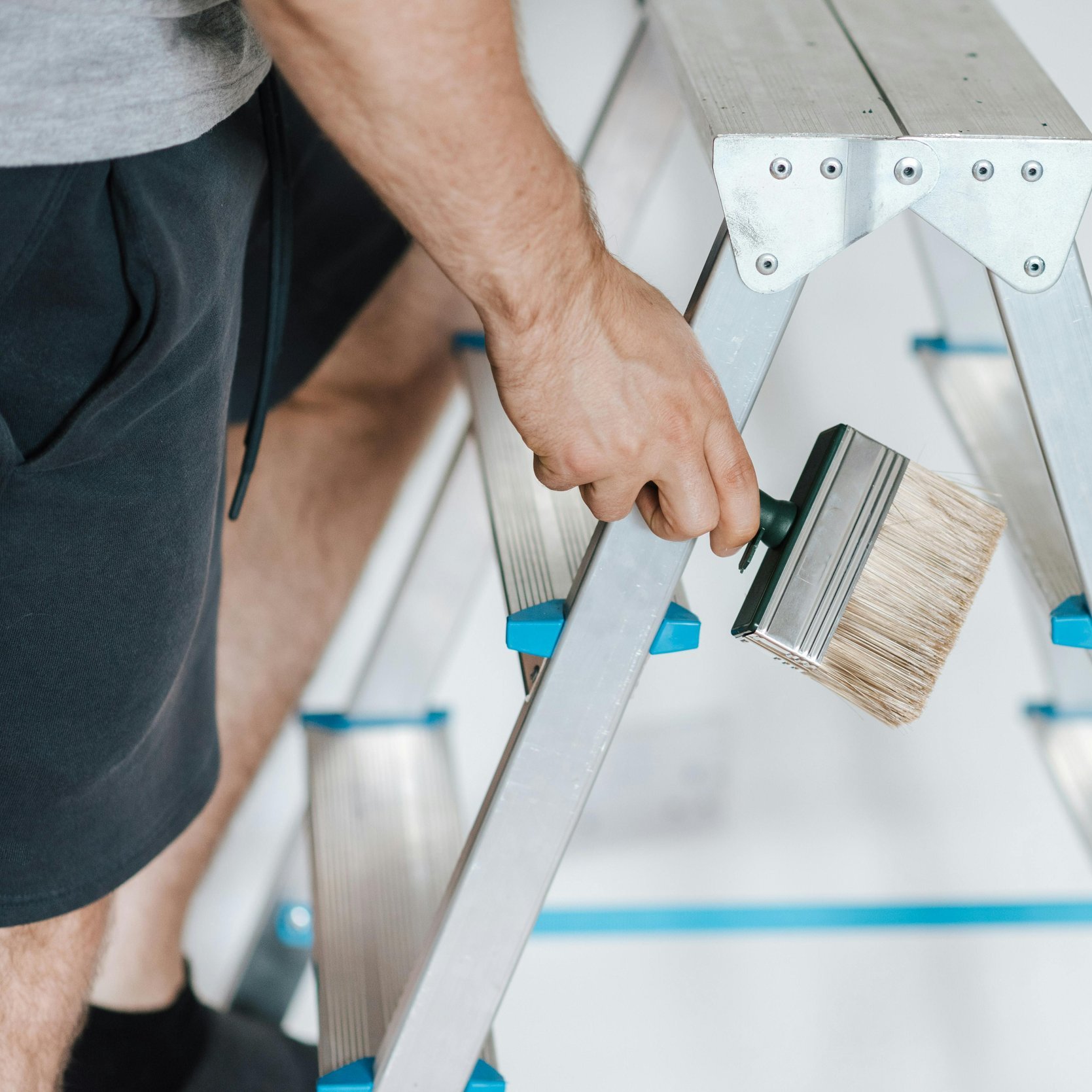
Proper preparation is essential for achieving a professional finish. This includes cleaning surfaces, removing old paint or wallpaper, applying primer, covering furniture, and taping edges. Skipping these steps can lead to uneven application and reduced durability. Also, don’t underestimate the importance of safety particularly for exterior jobs that involve ladders or scaffolding. Wear protective clothing, use drop cloths to protect floors and furniture, and ensure the room is well ventilated when painting indoors. Taking the time to prepare not only improves the outcome but also reduces potential risks.
Conclusion
Painting your house is more than just a weekend project it’s an investment in the comfort, aesthetics, and value of your property. Taking the time to evaluate the surface condition, choose the right materials, plan your budget, and prepare the space properly can make a significant difference in the final result. Whether you choose to go the DIY route or hire professionals, such as expert house painters in Auckland, ensuring that each of these factors is carefully considered will help deliver a smooth, durable, and visually appealing paint job that lasts for years.